

How to Choose a Pest Control Professional in Newport
Finding the right pest control professional in Newport means understanding what works specifically for Jackson County's environment. The White River's proximity and the region's humid subtropical climate create conditions where pests thrive year-round, making local expertise essential.
Start by verifying that any company you consider holds proper licensing through the Arkansas State Plant Board. This regulatory oversight ensures technicians meet state standards for pesticide application and safety protocols. Ask potential providers about their experience with Newport's most persistent invaders—termites, mosquitoes, and rodents rank among the most common complaints in this area.
Request proof of insurance and bonding. Reputable companies carry both general liability and workers' compensation coverage. Inquire about integrated pest management approaches, which minimize chemical reliance while maintaining effectiveness. This matters particularly near Newport's agricultural zones, where responsible treatment protects both residential neighborhoods and surrounding farmland.
Check reviews from other Jackson County residents and ask for local references. A company familiar with Newport's older housing stock near downtown, newer developments along Highway 67, and rural properties along county roads will tailor solutions appropriately. Finally, obtain written estimates from multiple providers and compare not just price, but treatment frequency, guarantee terms, and what's included in ongoing maintenance plans.
What to Expect from Pest Control Services in Newport
Professional pest control follows a structured process designed to eliminate current infestations and prevent future problems. Understanding this sequence helps you prepare your Newport property and evaluate service quality.
The process begins with a thorough inspection. Technicians examine your property's interior, exterior perimeter, crawl spaces, and attic areas. In Newport's climate, they'll pay special attention to moisture-prone zones—basements, beneath sinks, and areas near the White River where humidity accelerates pest activity. They'll identify entry points, nesting sites, and conditions attracting pests to your specific location.
Following inspection, you'll receive a detailed assessment with recommended treatment protocols. This plan specifies target pests, treatment methods, products to be used, and expected outcomes. For Newport properties, this might include perimeter barrier applications, targeted interior treatments, moisture control recommendations, or specialized termite protection.
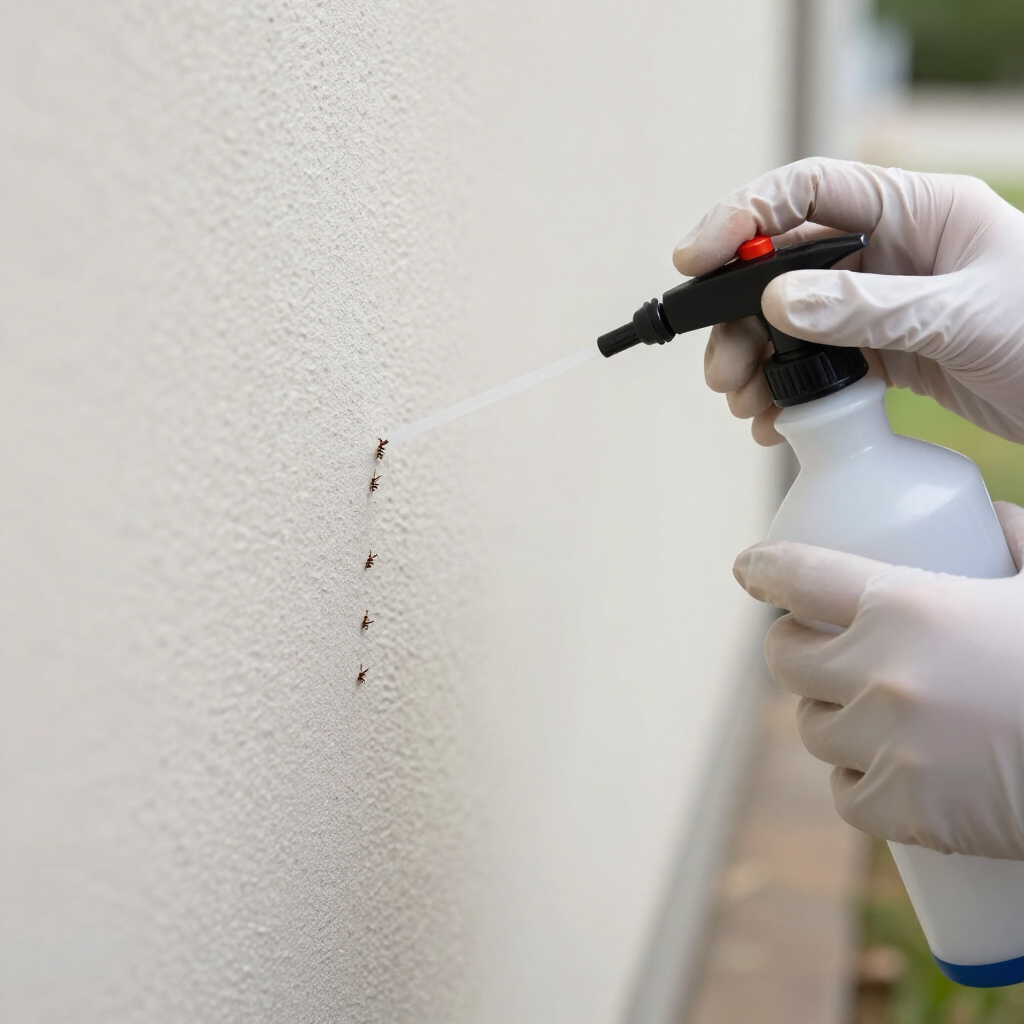
Actual treatment varies by pest type and infestation severity. Exterior perimeter treatments create protective barriers around foundation walls. Interior applications focus on cracks, crevices, and known harborage areas using methods safe for occupants and pets. Follow-up visits monitor effectiveness and address any persistent activity. Most Newport homeowners benefit from quarterly maintenance schedules given the region's extended warm seasons.
Available Pest Control Services
Newport residents can access comprehensive pest management solutions addressing the full spectrum of local pest pressures. Understanding available options helps you select appropriate protection for your property.
Termite Control and Prevention
Subterranean termites pose substantial risk to Newport structures, particularly historic buildings and homes with wooden foundations. Professional services include liquid barrier treatments, baiting systems, and pre-construction preventative applications. Annual inspections catch activity before significant damage occurs.
General Pest Management
Comprehensive programs target ants, cockroaches, spiders, silverfish, and occasional invaders like crickets and millipedes. These services typically operate on recurring schedules with between-visit guarantees and emergency response provisions.
Rodent Exclusion and Control
Mice and rats exploit small openings in Newport's varied housing stock. Effective control combines trapping, baiting, and structural exclusion—sealing entry points with rodent-resistant materials. Ongoing monitoring ensures populations don't rebound.
Mosquito Reduction Programs
Given Jackson County's mosquito pressure, seasonal treatments targeting breeding sites and adult resting areas significantly improve outdoor comfort. These programs prove especially valuable for properties near standing water or wooded margins.
Bed Bug Elimination
Specialized heat treatment and targeted insecticide applications address these challenging pests. Professional intervention remains essential given bed bugs' resistance to over-the-counter products and rapid reproduction rates.
Wildlife and Nuisance Animal Control
Squirrels, raccoons, bats, and snakes require humane removal and exclusion techniques compliant with Arkansas wildlife regulations. Proper sealing prevents re-entry while respecting protected species.
Frequently Asked Questions
How often should Newport homes receive pest control treatments?
Most properties in Newport benefit from quarterly service due to the region's mild winters and extended warm seasons. However, severe infestations or properties near heavily wooded or wetland areas may require monthly attention initially. Your technician will recommend an appropriate schedule based on your specific situation and pest history.
Are pest control treatments safe for children and pets?
Modern pest control products, when applied by licensed professionals according to label directions, pose minimal risk to families and pets. Technicians use targeted application methods that minimize exposure. You'll typically receive specific guidance about re-entry times and any temporary precautions needed after treatment.
What makes Newport's pest challenges different from other Arkansas cities?
Newport's location along the White River, combined with Jackson County's agricultural landscape, creates unique pest dynamics. Higher humidity supports mosquito and termite populations, while proximity to farmland increases occasional invader pressure. The mix of historic downtown structures, mid-century homes, and newer developments also requires adaptable treatment approaches.