

Pest Control Services in Conway, AR
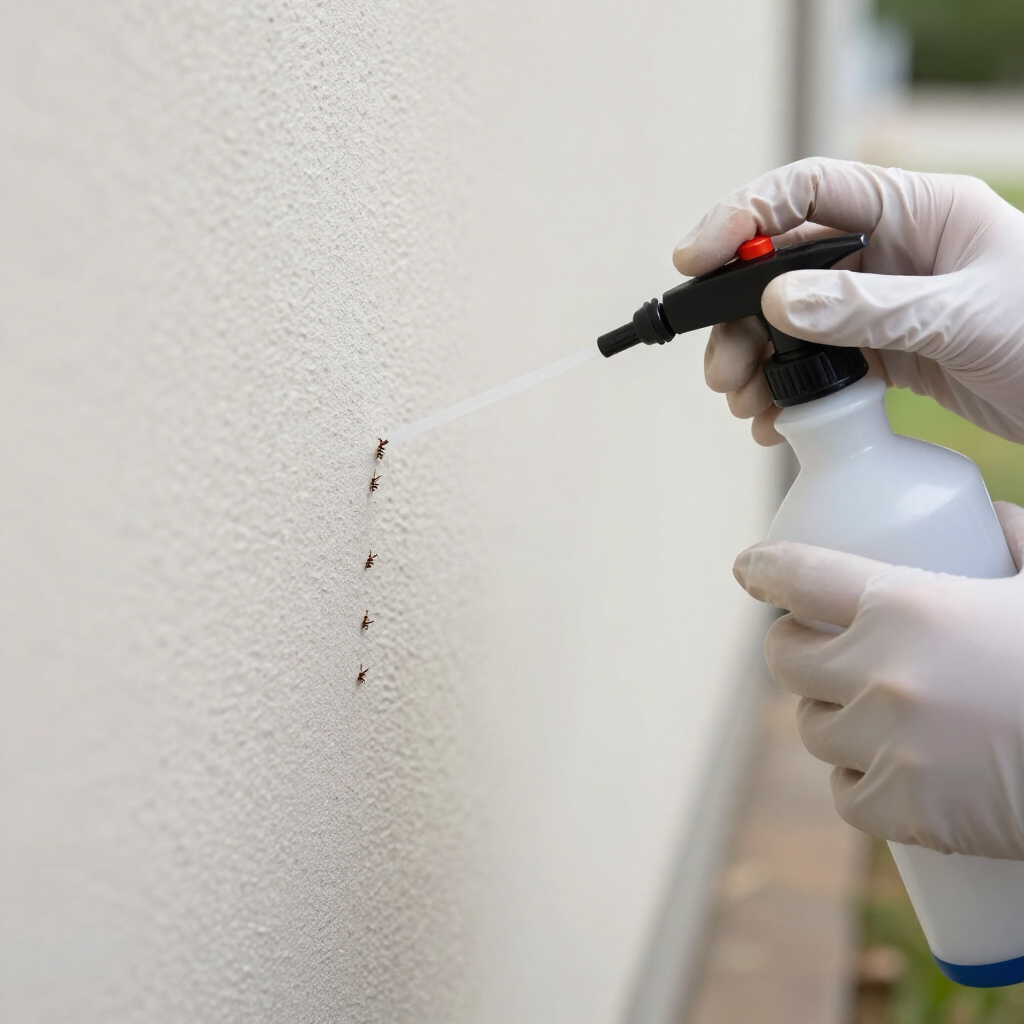
Conway homeowners and businesses face unique pest challenges throughout the year. Located in Faulkner County along the Arkansas River Valley, the city's mix of established neighborhoods, new construction, and proximity to natural waterways creates diverse environments where pests thrive. Professional pest control services in Conway address these specific conditions with targeted treatments designed for Central Arkansas.
Residential Pest Control
Homes in Conway's historic downtown districts, college-area rentals near the University of Central Arkansas, and newer subdivisions like Oakwood and Centennial Valley each present distinct pest pressures. Residential services typically include quarterly perimeter treatments, interior spot applications, and seasonal adjustments for ants, spiders, roaches, and occasional invaders like millipedes and earwigs. Many Conway residents also deal with moisture-seeking pests in crawl spaces and basements, particularly after heavy spring rains.
Commercial Pest Management
Conway's growing business community—from restaurants along Oak Street to healthcare facilities and retail centers—requires discreet, compliant pest control. Commercial programs emphasize Integrated Pest Management (IPM) approaches with detailed documentation for health inspections. Food service establishments benefit from fly control systems and proactive rodent monitoring, while office complexes focus on perimeter exclusion and common area maintenance.
Termite Control & Protection
Eastern subterranean termites are active across Faulkner County, and Conway's older housing stock combined with ongoing development creates favorable conditions for infestations. Professional termite services include liquid barrier treatments, baiting systems, and pre-construction treatments for new builds. Annual inspections are recommended, particularly for homes with previous termite activity or those near wooded areas common in Conway's northern and eastern neighborhoods.
Mosquito & Outdoor Pest Solutions
With Conway's warm, humid summers and abundant rainfall, mosquito populations can make outdoor spaces unusable. Treatment programs target breeding sites and resting areas, reducing populations around patios, pools, and outdoor entertainment areas. Tick control is also increasingly requested by Conway homeowners with wooded property boundaries or pets spending time outdoors.
Rodent Control & Exclusion
Mice and rats enter Conway structures seeking shelter during fall and winter months, particularly as temperatures drop in November and December. Effective rodent control combines trapping, baiting, and structural exclusion—sealing entry points around foundations, utility penetrations, and roof lines. Attic and crawl space remediation addresses contamination and prevents return infestations.
Frequently Asked Questions About Pest Control in Conway
What pests are most common in Conway, Arkansas?
Conway residents most frequently encounter odorous house ants, carpenter ants, brown recluse spiders, wolf spiders, American and German cockroaches, and subterranean termites. Seasonal patterns bring increased mosquito activity May through September, while fall and winter drive rodents indoors. The area's clay-heavy soils and periodic flooding also contribute to elevated moisture pest issues including pillbugs and centipedes.
How often should Conway homes receive pest control treatments?
Most Conway properties benefit from quarterly exterior treatments as a preventive foundation. Homes with active infestations, those near Lake Conway or wooded areas, or properties with persistent ant or spider issues may require monthly service initially. Termite protection systems need annual inspection and maintenance. Your specific schedule should reflect your property's age, surrounding environment, and your tolerance for pest activity.
Are pest control treatments safe for families and pets in Conway?
Modern pest control products used by licensed professionals in Conway are designed for targeted application with minimal risk when applied according to label directions. Reputable providers use reduced-risk formulations and apply them precisely where pests travel and harbor—not broadly across living spaces. You should discuss any specific health concerns, pet sensitivities, or environmental priorities with your technician before treatment.