
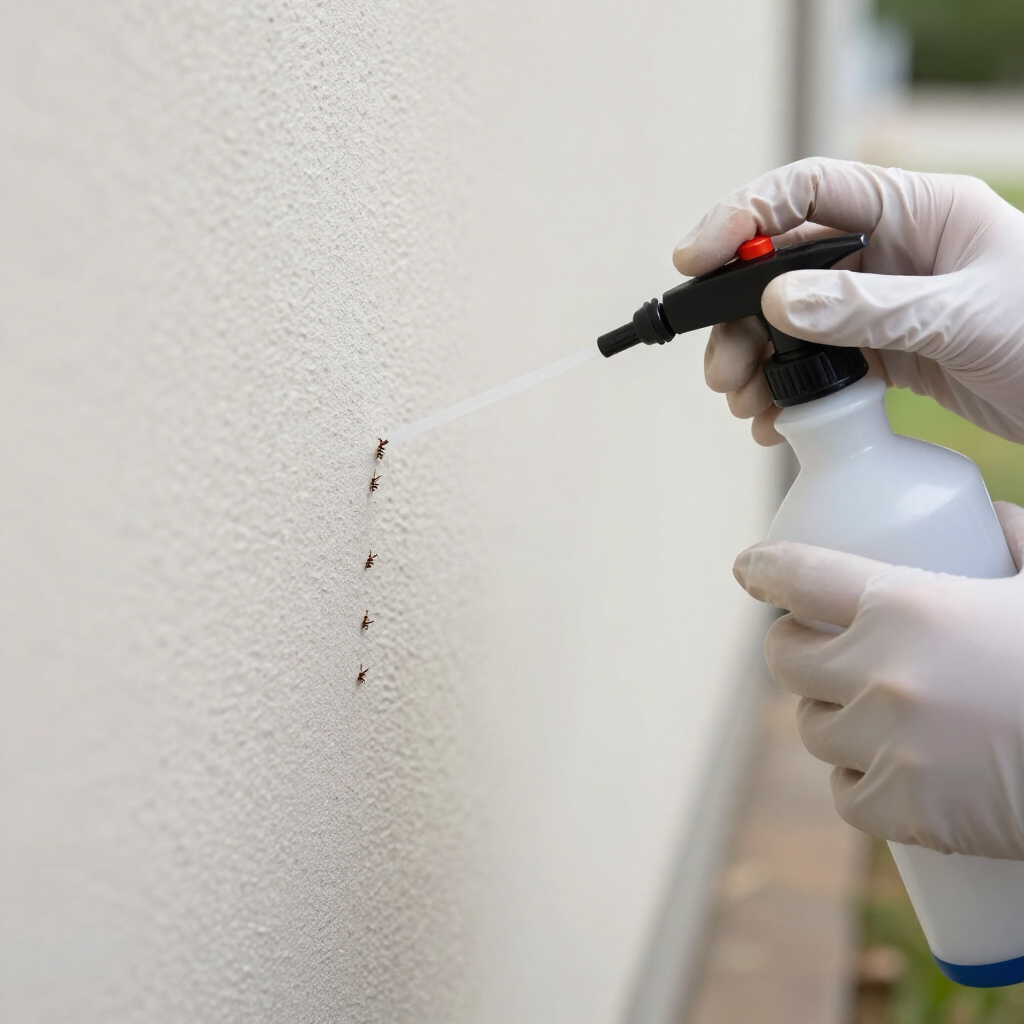
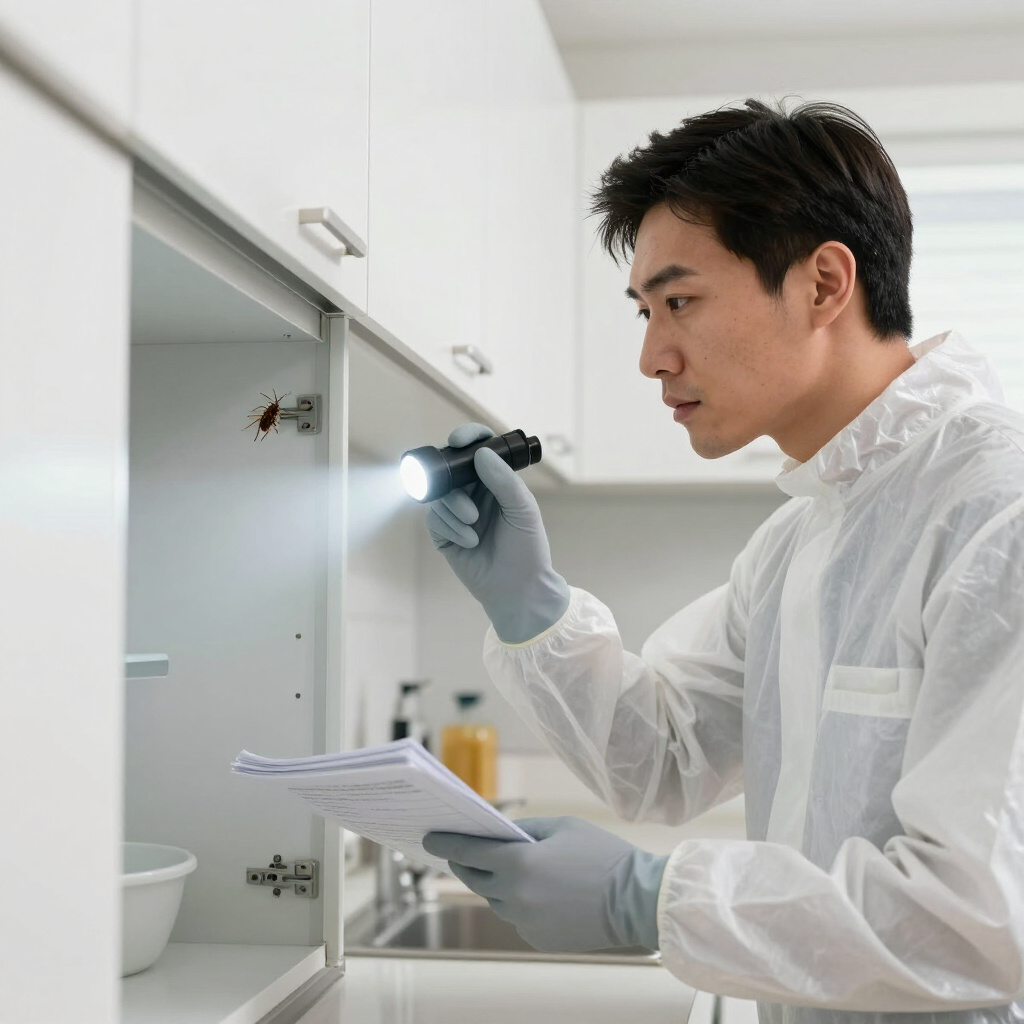
There's a certain pride that comes with handling household problems on your own. A leaky faucet? Grab the wrench. A squeaky door? A little oil does the trick. But when it comes to unwanted critters in your home, the DIY approach can quickly turn from cost-saving to costly mistake. Knowing when to call a pest control professional can save you time, money, and a whole lot of stress down the line.
When to Call a Pest Control Professional: The Warning Signs
Some pest situations demand immediate expert attention. If you're spotting live pests during daylight hours, that's often a red flag. Many household pests—cockroaches, rodents, and certain ants—are nocturnal by nature. Seeing them in broad daylight usually means their population has grown large enough that some individuals are being pushed out of their hiding spots.
Droppings, gnaw marks, and damaged packaging in your pantry are equally concerning. These signs indicate active feeding and breeding. A single mouse can leave behind 50-75 droppings per day, and where there's one, there's almost always more hiding in walls, attics, or crawl spaces.
Unexplained damage to your home's structure also warrants professional evaluation. Termites silently chew through wood, often going undetected for months or even years. By the time you notice sagging floors, hollow-sounding timber, or discarded wings near windowsills, substantial damage may already exist. A pest control professional can identify the species, assess the extent of infestation, and implement targeted treatment before repairs become extensive.
Strange odors deserve attention too. A musty, ammonia-like smell often signals a rodent problem. A sickly-sweet, pungent odor might indicate roaches or even a dead animal trapped in your walls. These smells don't resolve on their own and typically worsen as the infestation grows.
Situations Where DIY Methods Fall Short
Store-bought sprays and traps have their place, but they rarely address the root of a serious infestation. Surface treatments might kill the pests you see while leaving entire colonies intact and breeding in hidden areas. This creates a frustrating cycle where the problem seems to improve briefly, then returns worse than before.
Recurring infestations are a clear signal that amateur efforts aren't enough. If you've applied treatments multiple times and pests keep coming back, you're likely missing nests, entry points, or conducive conditions that a trained eye would catch. Pest control professionals don't just eliminate current populations—they identify and correct the underlying causes.
Certain pests also pose genuine health risks that make professional intervention the safer choice. Rodents carry diseases like hantavirus and salmonella, while cockroaches trigger asthma and allergies, particularly in children. Some spider bites require medical attention. Attempting to handle these risks without proper protective equipment and knowledge puts your family in unnecessary danger.
Stinging insects present another challenge best left to experts. Disturbing a wasp or hornet nest without proper technique can result in multiple painful stings and, for allergic individuals, life-threatening reactions. Professionals have the tools and training to remove these nests safely, even in hard-to-reach locations.
Key Tips for Working With a Pest Control Professional
When you've decided to bring in help, a little preparation ensures the best outcome. Start by choosing a licensed, insured company with solid reviews and transparent pricing. Ask about their treatment methods—reputable professionals will explain their approach, including any products used and safety precautions for pets and children.
Be prepared to describe what you've observed: when you first noticed pests, where you've seen them, and any treatments you've already attempted. This information helps professionals tailor their inspection and approach. Don't clean up extensively before their arrival, either. Signs of pest activity, even unpleasant ones, guide their assessment.
Follow all preparation and aftercare instructions carefully. You might need to remove pet food dishes, cover aquariums, or stay out of treated areas for a specified period. These steps protect your household and ensure treatment effectiveness.
Ask about prevention as part of the service. The best pest control professionals don't just eliminate current problems—they help you pest-proof your home against future invasions. This might include sealing entry points, improving sanitation practices, or addressing moisture issues that attract pests.
Finally, understand that complete elimination sometimes requires multiple visits, particularly with resilient pests like bed bugs or German cockroaches. A professional who promises overnight miracles with a single treatment may be overselling. Effective pest management takes persistence and proper follow-through.
Final Thoughts
Knowing when to call a pest control professional ultimately comes down to protecting what matters most—your home, your health, and your peace of mind. Minor, isolated pest sightings often respond well to diligent homeowner efforts. But when signs multiply, when risks escalate, or when your own solutions keep falling short, expert help isn't an expense—it's an investment in resolving the problem correctly the first time.
The most successful approach combines your everyday vigilance with professional expertise when situations exceed your comfort level or capabilities. Trust your instincts. If something feels beyond your control, it probably is—and there's no shame in calling in someone who handles these challenges every single day.