
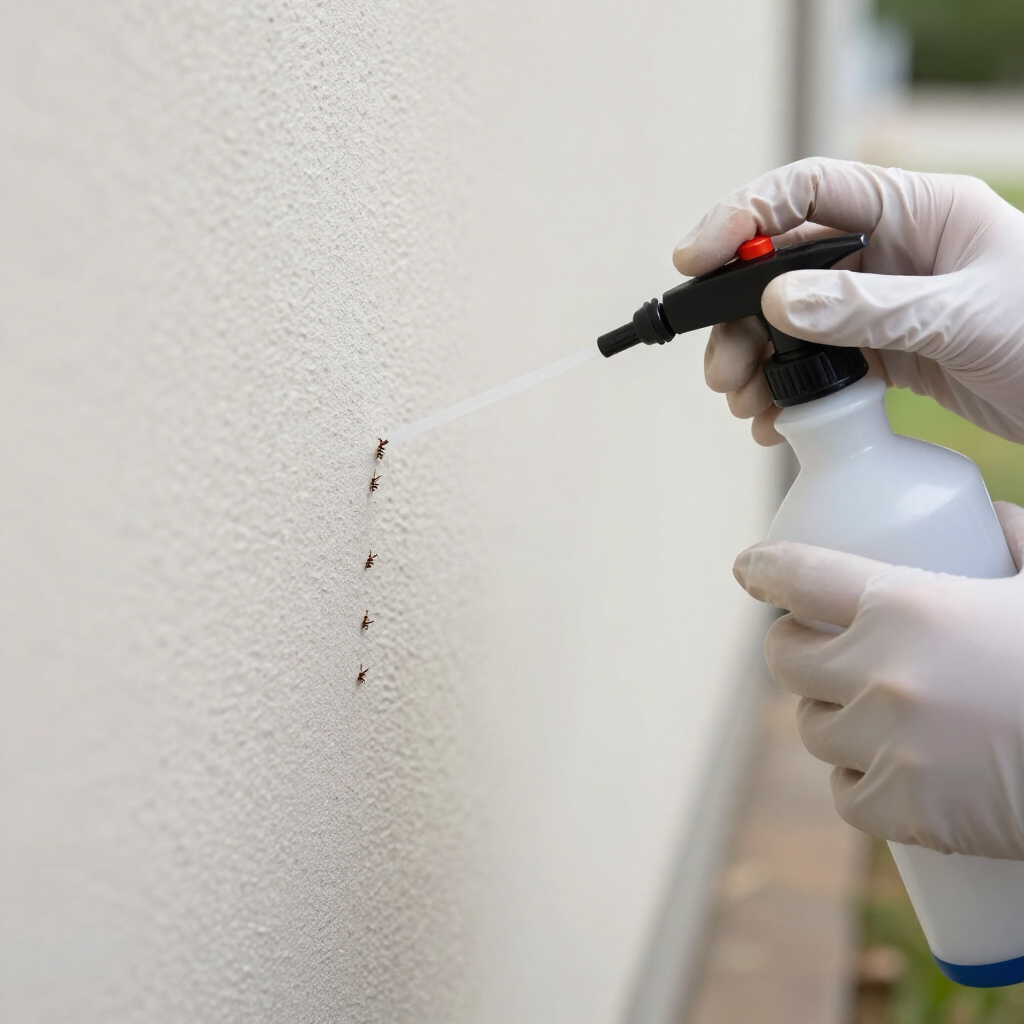

Termites are among the most destructive pests a homeowner can face, causing billions of dollars in property damage each year across the United States. The real danger lies in their stealth—these wood-destroying insects often work silently behind walls, beneath floors, and in crawl spaces for months or even years before their presence becomes obvious. By the time you spot clear evidence, significant structural damage may already be done. Knowing the early warning signs can mean the difference between a manageable treatment and a costly renovation. Here are the key indicators that termites may have taken up residence in your home.
Signs You May Have Termites: Mud Tubes and Shelter Tunnels
Subterranean termites, the most common species in many regions, require moisture to survive and must maintain contact with soil. To travel between their underground colony and your home's wooden structures without drying out, they build distinctive mud tubes—pencil-width tunnels made of soil, wood particles, and saliva. These shelter tubes typically appear along foundation walls, crawl space supports, concrete slabs, and other surfaces that connect soil to wood.
Inspect the exterior of your foundation, especially in dark, damp areas like basements and crawl spaces. Break open any mud tubes you discover: live termites inside confirm an active infestation. Even empty tubes warrant vigilance, as termites may have abandoned that particular route for another or moved deeper into your home's structure. Regular monitoring of these areas, particularly after rain, helps catch new tunnel construction early.
Discarded Wings and Swarming Activity
Reproductive termites, called swarmers or alates, emerge in large numbers during spring and early summer to establish new colonies. These winged termites are often mistaken for flying ants, but several features distinguish them: termites have two pairs of equal-length wings that they shed after mating, straight antennae, and a broad waist without the narrow constriction seen in ants.
Finding piles of discarded wings on windowsills, near doors, or in crawl spaces indicates that swarmers have emerged from—or attempted to enter—your home. Even if you only spot a few stray wings, investigate further. Swarmers are drawn to light and often congregate around exterior lighting fixtures. If you notice concentrated activity near your foundation or porch lights, termites may be nesting nearby or within your walls. Indoor swarms are particularly concerning, as they strongly suggest an established colony inside the structure.
Wood Damage and Hollow Sounds
Termites consume wood from the inside out, leaving a thin veneer of paint or wood grain intact while hollowing out the interior. This damage often goes unnoticed until it becomes severe. Tap on wooden beams, baseboards, window frames, and hardwood floors with a screwdriver handle or small hammer. Solid wood produces a sharp, resonant sound; hollowed wood sounds dull and empty.
Advanced infestations may cause visible sagging in floors, buckling in wood laminate, or doors and windows that suddenly stick due to warped frames. In basements and crawl spaces, probe wooden support posts and sill plates with a screwdriver—soft, easily penetrated wood indicates active feeding. Pay special attention to areas where wood contacts concrete or soil, as these junctions provide direct entry points for subterranean species.
Frass: Termite Droppings and Pellets
Drywood termites, which do not require soil contact, expel their fecal matter through small kick-out holes in wood surfaces. These droppings, called frass, resemble fine sawdust or coffee grounds and often accumulate in small piles beneath infested areas. Unlike sawdust from carpenter ants or woodworking projects, frass pellets are six-sided, granular, and uniform in size—though identification may require magnification.
Check window ledges, beneath furniture, along baseboards, and in attics for unexplained accumulations of this material. The presence of frass confirms active drywood termite feeding, as these insects continuously clean their galleries. Because drywood colonies grow slowly but persist for years, even modest frass deposits warrant professional evaluation.
Bubbling or Damaged Paint and Drywall
Moisture from termite activity can cause paint to bubble, peel, or appear water-damaged even without any plumbing leaks. Look for irregular patterns of damage on walls, particularly in areas near the floor or ceiling where walls meet wooden framing. Drywall may sag or develop pinpoint holes where termites have pushed through from wall voids.
In finished basements, musty odors accompanying visible damage often indicate hidden termite galleries behind the surface. These signs frequently mimic water damage, leading homeowners to address the wrong problem. If you cannot trace moisture damage to a leak or condensation issue, termites deserve serious consideration as the underlying cause.
Key Tips for Protecting Your Home
Prevention and early detection form your best defense against termite damage. Maintain a gap between soil and any wood portions of your home's exterior, including siding and structural elements. Direct water away from the foundation with functional gutters, downspout extensions, and proper grading. Remove wood debris, mulch piles, and stored lumber from against the home's perimeter, as these provide both food sources and hidden entry conditions.
Schedule annual professional inspections, even if you notice no warning signs. Trained technicians can identify subtle indicators, assess moisture conditions conducive to infestation, and spot entry points that untrained eyes miss. Consider pre-treatment or monitoring systems when building or renovating, particularly in areas with known termite pressure. Keep detailed records of any past treatments or findings to support future inspections and warranty claims.
Final Thoughts
Signs you may have termites range from subtle to unmistakable, but all warrant prompt attention. These persistent insects exploit every advantage of concealment, making homeowner awareness a critical first line of defense. Regular visual inspections of your foundation, wooden structures, and vulnerable transition points can reveal problems before they escalate into structural threats. If you observe mud tubes, discarded wings, hollow-sounding wood, frass, or unexplained surface damage, contact a licensed pest management professional for thorough evaluation and tailored treatment options. Protecting your investment starts with recognizing the warnings—and acting on them without delay.