
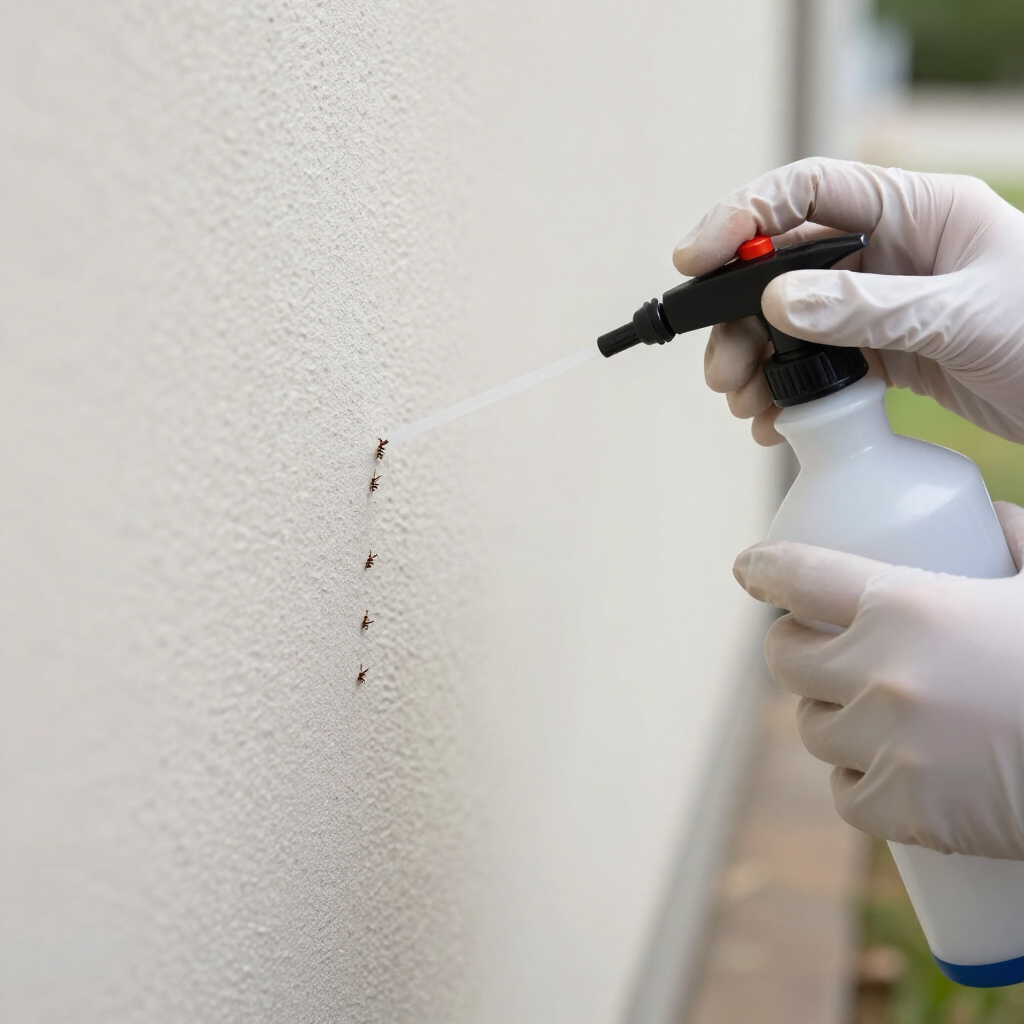

Pests don't take a vacation—and neither should your home protection plan. What creeps into your attic in January is rarely the same critter that swarms your patio in July. A reactive approach to pest control often means dealing with damage, frustration, and bigger bills. The smarter path? A seasonal pest control checklist that keeps you one step ahead of whatever nature sends your way. Here's your year-round guide to protecting your home, your family, and your peace of mind.
Why a Seasonal Pest Control Checklist Matters
A seasonal pest control checklist isn't just a nice-to-have—it's your best defense against the predictable patterns pests follow throughout the year. Many homeowners make the mistake of thinking pest problems are a summer-only concern. In reality, every season brings its own invaders, each with unique behaviors and vulnerabilities.
Spring awakens dormant colonies. Summer drives populations to peak activity. Fall triggers desperate searches for winter shelter. And winter? That's when hidden infestations grow undisturbed in your walls, attics, and crawl spaces. By aligning your prevention efforts with these natural cycles, you stop problems before they start rather than scrambling after they've taken hold. Consistent, seasonally-adjusted maintenance also costs significantly less than emergency treatments and structural repairs.
The key is understanding what to look for, where to look, and when to act. The following breakdown gives you exactly that.
Spring: Awakening and Entry Points
As temperatures rise, ants, termites, wasps, and spiders emerge from winter dormancy with one priority: establishing or rebuilding colonies. This season demands vigilance around your home's perimeter.
Start with a thorough exterior inspection. Walk your foundation looking for cracks, gaps around utility lines, and deteriorated weatherstripping. Seal openings larger than a quarter-inch—mice squeeze through spaces the width of a pencil, and insects need even less. Check window screens for tears and door sweeps for proper contact with thresholds.
Direct attention downward and upward simultaneously. Clear gutters of debris that retains moisture and attracts breeding mosquitoes. Grade soil away from your foundation to prevent water accumulation that draws termites and carpenter ants. Trim shrubs and tree branches back at least twelve inches from walls and rooflines—these serve as highways for ants, rodents, and occasional invaders like boxelder bugs.
Inside, focus on moisture control. Repair leaky faucets, improve ventilation in bathrooms and basements, and consider a dehumidifier for chronically damp spaces. Spring is also prime time for professional termite inspection, as swarmers become active and reveal hidden colonies.
Summer: Peak Activity and Outdoor Defense
Summer brings the pest pressure homeowners notice most. Mosquitoes, flies, fleas, ticks, and stinging insects dominate outdoor spaces, while ants and cockroaches exploit any weakness in your home's defenses.
Your seasonal pest control checklist for summer centers on eliminating the three things pests need: food, water, and harborage. Outdoors, eliminate standing water weekly—bird baths, plant saucers, clogged drains, and even upturned bottle caps breed mosquitoes. Keep garbage in sealed containers with tight lids, and position bins away from immediate house walls. If you compost, use enclosed bins and avoid adding meat or oils.
Maintain your yard aggressively. Mow regularly, as tall grass shelters ticks and fleas. Remove leaf litter and debris piles where rodents and snakes hide. Consider targeted treatments for high-traffic areas if family members or pets spend significant time outdoors.
Indoors, kitchen discipline matters enormously. Store dry goods in airtight containers, clean spills immediately, and never leave pet food out overnight. Check under appliances for accumulated crumbs and grease. Install or repair screens on windows and vents, and consider fine mesh for attic vents that exclude bats, birds, and larger insects.
Stinging insect nests require careful handling. Early summer nests are smaller and easier to eliminate than August colonies housing hundreds of defensive wasps or hornets. Address them promptly, or call professionals if nests are in high-traffic areas or you're allergic to stings.
Fall: The Invasion Begins
Fall is arguably the most critical season for prevention. As temperatures drop, rodents, stink bugs, lady beetles, cluster flies, and boxelder bugs actively seek winter shelter—and your heated home is irresistible.
Reinspect and reinforce all exterior sealing completed in spring. Caulk often shrinks and weatherstripping degrades over summer months. Pay special attention to areas where different building materials meet: foundation-to-siding transitions, soffits, fascia boards, and chimney flashing. Install hardware cloth over vents and chimney openings, ensuring mesh is fine enough to exclude bats and mice.
Store firewood at least twenty feet from your home and elevate it off the ground. Wood piles harbor rodents, spiders, termites, and carpenter ants that readily migrate indoors when conditions change. Inspect every piece before bringing it inside, and burn wood promptly rather than storing it long-term by the fireplace.
Inside, declutter storage areas where pests establish undisturbed nests. Basements, attics, and garages should be organized with items in sealed plastic containers rather than cardboard boxes that rodents shred for nesting material. Add snap traps in garage corners and along basement walls as early detection tools, checking them regularly even if you catch nothing.
Winter: Hidden Threats and Structural Checks
Winter lulls many homeowners into complacency. Pests are less visible, but that doesn't mean they're absent. Rodents, overwintering insects, and indoor pests like cockroaches and silverfish remain active inside your home's protected environment.
Use this quieter season for deep inspection. Check attic spaces for gnaw marks, droppings, shredded insulation, or disturbed stored items—all signs of rodent activity. Listen for scratching or scurrying sounds, especially at dawn and dusk. Examine basements and crawl spaces for moisture issues and fungal growth that attracts wood-boring pests.
Follow your seasonal pest control checklist indoors with rigorous sanitation. Vacuum thoroughly in hidden areas: behind appliances, under furniture, along baseboard edges. Launder bedding and pet areas regularly. These steps disrupt indoor pest cycles and reveal problems early.
Schedule professional pest control evaluations during winter. Technicians can access attics and crawl spaces more comfortably, and treatments for certain pests are actually more effective when populations are concentrated in harborage areas rather than dispersed outdoors.
Key Tips for Year-Round Success
Certain practices transcend individual seasons and form the backbone of effective pest management. Integrate these into your routine regardless of month.
First, maintain detailed records. Note inspection dates, findings, treatments applied, and any professional service reports. Patterns emerge over time that help predict and prevent recurring issues specific to your property.
Second, resist over-reliance on DIY chemical treatments. Misapplied pesticides often disperse pests without eliminating them, and improper use around food preparation areas, pets, or children creates genuine health risks. When problems exceed your comfort level, professional intervention is the responsible choice.
Third, coordinate with neighbors when possible. Pests don't respect property lines. Community-wide efforts on mosquito breeding site elimination, rodent-proofing standards, and shared green space management dramatically improve everyone's results.
Finally, adapt your seasonal pest control checklist to your specific region and home type. Coastal homes face different challenges than mountain properties. Historic homes with stone foundations require different approaches than new construction with modern sealing. Local extension services and experienced pest professionals provide invaluable location-specific guidance.
Final Thoughts
Protecting your home from pests isn't about achieving perfection—it's about consistency, timing, and informed action. A well-executed seasonal pest control checklist transforms overwhelming, year-round worry into manageable, predictable maintenance. Each season offers specific opportunities to strengthen your defenses and address vulnerabilities before they become infestations.
Start where you are. If it's mid-summer and you've done nothing yet, begin with summer priorities and work forward. The best checklist is the one you actually use. Over time, these habits become second nature, and the peace of mind they bring is worth every minute invested. Your home deserves protection that matches the persistence of the pests trying to enter it—and with seasonal awareness, you're equipped to provide exactly that.