
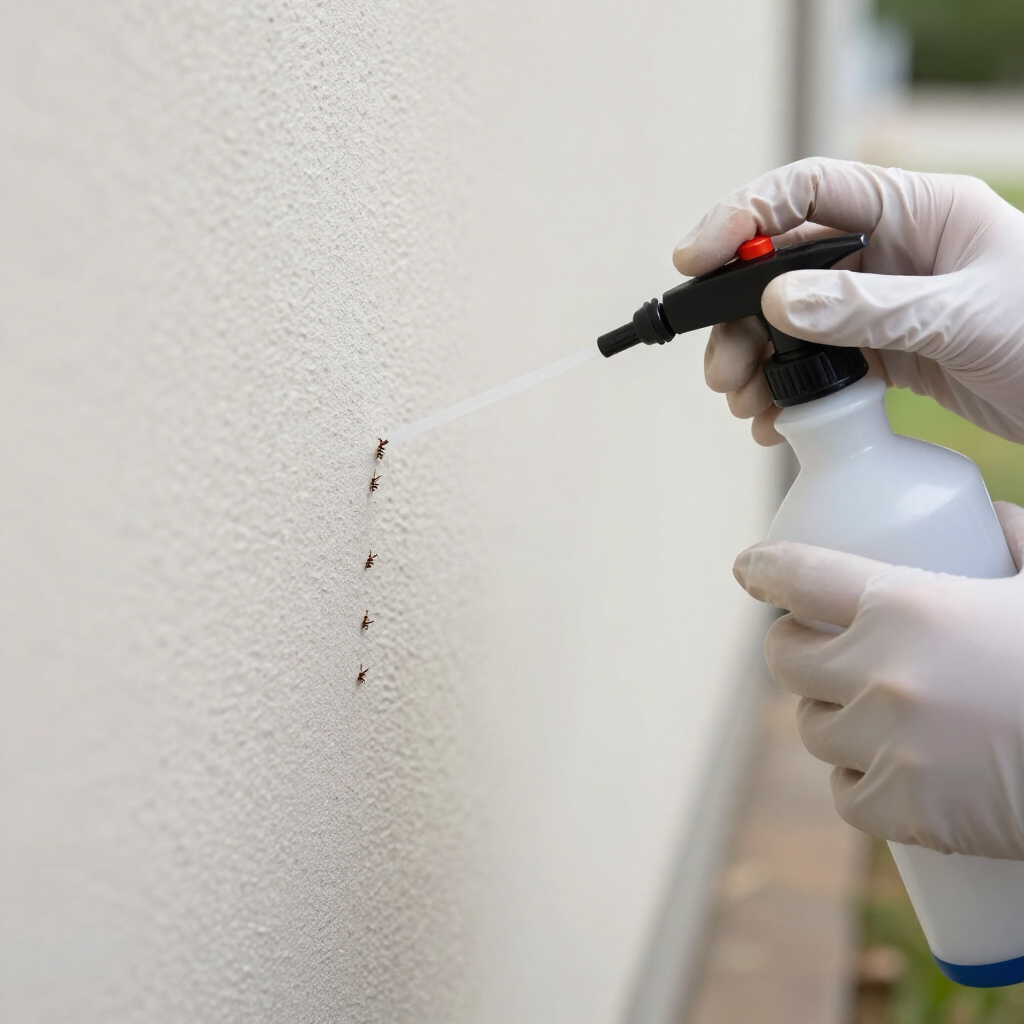

More homeowners than ever are searching for natural pest control methods that actually work—and it's easy to understand why. Whether you're concerned about children and pets, want to protect pollinators in your garden, or simply prefer avoiding harsh chemicals around your living spaces, effective alternatives do exist. The key is knowing which approaches deliver real results and which ones just waste your time. Let's cut through the noise and explore proven, natural strategies that professional pest management experts stand behind.
Natural Pest Control Methods That Actually Work in Your Home
Effective natural pest control starts with understanding that "natural" doesn't mean passive. These methods require consistency and proper application, but they reward your efforts with lasting protection. Physical barriers and exclusion remain the most reliable foundation. Steel wool stuffed into rodent entry points, fine mesh screens over vents, and door sweeps eliminate access before infestations begin. For crawling insects, food-grade diatomaceous earth creates a microscopic abrasive barrier that damages the waxy exoskeletons of ants, cockroaches, and silverfish, causing dehydration within 24-48 hours. Apply a thin line along baseboards, behind appliances, and in cabinet corners—reapply after vacuuming or if the powder becomes damp. Botanical insecticides offer targeted action without synthetic persistence. Pyrethrin, derived from chrysanthemum flowers, knocks down flying and crawling insects on contact and breaks down rapidly in sunlight, minimizing environmental impact. Neem oil disrupts feeding and reproduction in aphids, scale, and mites, making it invaluable for garden and houseplant protection. Essential oil formulations featuring peppermint, eucalyptus, or cedarwood show genuine repellent effects against spiders, ants, and certain rodents, though they require more frequent reapplication than conventional products—typically every 7-14 days.
For pantry pests, freezing and heat treatments eliminate infestations without chemicals. Four days at 0°F kills all life stages of grain moths and beetles; similarly, heating infested items to 140°F for two hours achieves the same result. These methods work particularly well for heirloom items, birdseed, and organic grains where chemical treatments aren't desirable.
Landscape and Outdoor Prevention Strategies
Your yard either invites pests or repels them based on thoughtful management. Habitat modification delivers outsized returns. Eliminate standing water in gutters, birdbaths, and plant saucers to dramatically reduce mosquito breeding sites—often cutting local populations by half without any sprays. Maintain a six-inch gravel barrier between mulch beds and your foundation to discourage termite foraging and reduce ant highways into your home. Trim tree branches and shrubs to maintain at least eighteen inches of clearance from structures, eliminating natural bridges for rodents, carpenter ants, and occasional invaders like boxelder bugs. Beneficial biological control leverages nature's own checks and balances. Releasing or attracting predatory insects—ladybugs for aphids, praying mantids for varied garden pests, and parasitic wasps for caterpillars—establishes ongoing population management. More importantly, preserving these allies by avoiding broad-spectrum treatments, even natural ones, builds resilient garden ecosystems that self-regulate over time.
Companion planting deserves mention as a supportive strategy, though with realistic expectations. Marigolds' root secretions genuinely suppress nematodes in soil, and strongly scented herbs like rosemary, thyme, and lavender create mild repellent zones. However, these work best as components of integrated plans rather than standalone solutions.
Key Tips for Success with Natural Approaches
Natural pest control methods that actually work share common requirements that separate effective implementation from disappointing results. Start with accurate identification. Misidentifying your pest guarantees wasted effort. What eliminates fruit flies fails completely against fungus gnats; rodent solutions differ for mice versus rats. Take clear photos or capture specimens for confirmation before selecting treatments. Apply treatments precisely and persistently. Natural products typically act more slowly and break down faster than synthetics. Spot-treating visible ants misses the colony; baiting with boric acid formulations or diatomaceous earth requires patience as workers carry materials back to nest sites over 3-7 days. Mark your calendar for reapplication rather than waiting to notice renewed activity. Combine multiple tactics. Integrated Pest Management principles apply regardless of product origin. Pair exclusion with sanitation (eliminating food and water sources), then add targeted treatments. A single strategy rarely suffices, but layered approaches create robust protection.
Know when to escalate. Some situations exceed natural methods' capacity. Extensive termite damage, established bed bug infestations, or disease-vectoring mosquitoes in high-risk areas may require conventional intervention for public health and property protection. Natural approaches work best as prevention, early intervention, and maintenance tools—not emergency solutions for advanced problems.
Final Thoughts
Natural pest control methods that actually work are neither myths nor miracle cures. They're thoughtful, science-backed approaches demanding proper technique and reasonable expectations. Physical exclusion, botanical treatments, habitat modification, and biological allies each contribute to healthier homes and environments when applied with knowledge and consistency.
The most successful natural practitioners treat pest management as ongoing stewardship rather than one-time events. They inspect regularly, respond quickly to early signs, and adapt strategies seasonally. Whether you're reducing chemical exposure for family health, supporting local ecosystems, or simply prefer working with natural systems, these proven methods deliver genuine protection without the compounds you're choosing to avoid.
Begin with the fundamentals—seal entry points, eliminate moisture and food sources, then build your natural toolkit from there. The investment in learning and consistent application pays dividends in lasting, responsible pest management you can feel confident about.