
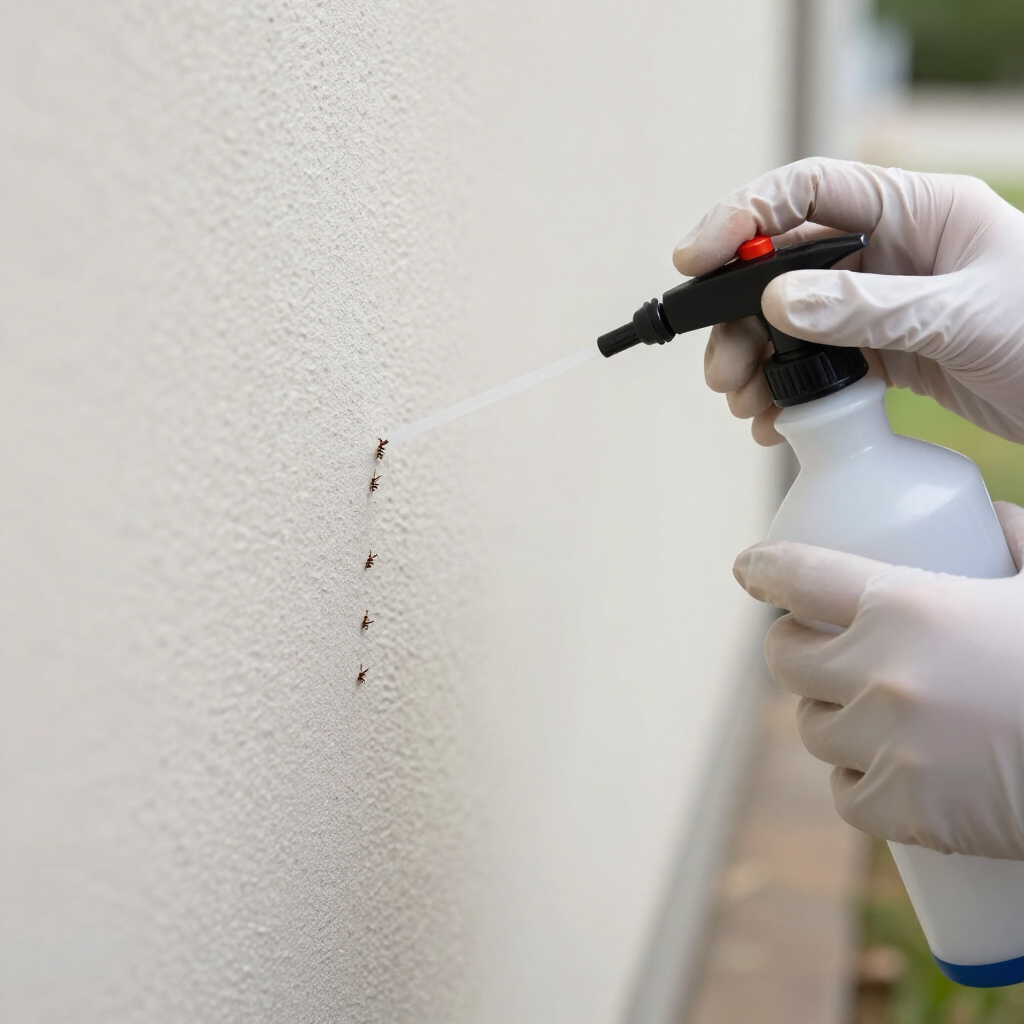

There's nothing quite like the sinking feeling of spotting a line of ants marching across your kitchen counter or hearing the telltale scratching of something in your walls. Household pests don't just damage property—they disrupt your sense of comfort and safety in the place that should feel most secure. The good news? Most infestations are entirely preventable with the right knowledge and a few consistent habits. Let's walk through the most common household pests and the practical steps you can take to keep them outside where they belong.
Most Common Household Pests and How to Prevent Them
Understanding your enemy is the first step in effective pest management. Different pests invade for different reasons, but nearly all are seeking the same three things: food, water, and shelter. By addressing these attractants, you dramatically reduce your risk of infestation.
Ants top the list of nuisance invaders. These persistent foragers can detect the smallest crumbs and will quickly establish scent trails leading hundreds of workers into your home. Sugar ants target sweets, while grease ants gravitate toward proteins and oily residues. Prevention starts with impeccable kitchen cleanliness—wipe counters daily, store food in sealed containers, and address sticky spills immediately. Seal cracks around windows, doors, and your home's foundation with silicone caulk, and trim vegetation away from exterior walls to eliminate bridges indoors.
Cockroaches represent one of the most troubling household pests due to their resilience and potential health impacts. These nocturnal scavengers thrive in warm, humid environments with access to food debris. German cockroaches often hitchhike inside via grocery bags, cardboard boxes, or secondhand appliances. Prevention requires eliminating their preferred harborage: repair leaky faucets, run dehumidifiers in damp basements, store dry goods in airtight containers, and never leave pet food out overnight. Inspect deliveries carefully before bringing boxes inside, and declutter areas where roaches might hide.
Mice and rats seek entry as temperatures drop, squeezing through surprisingly small openings—a mouse needs just a dime-sized gap. Once inside, they contaminate surfaces, gnaw on wires, and reproduce rapidly. Prevention focuses on exclusion and sanitation. Install door sweeps on exterior doors, seal utility penetrations with steel wool and caulk, keep garage doors closed, and store firewood at least twenty feet from your home. Inside, eliminate food sources by using glass or metal storage containers and cleaning pantry shelves regularly.
Spiders typically enter hunting for other insects, meaning their presence often signals a broader pest issue. While most species are harmless and even beneficial, nobody wants webs decorating their corners. Prevention means reducing their prey population and entry points. Replace worn weatherstripping, repair torn window screens, and use yellow-toned outdoor lighting that attracts fewer flying insects. Dust and vacuum regularly, paying attention to corners, basements, and seldom-used spaces where spiders establish territory.
Termites pose the greatest structural threat among household pests, often causing extensive damage before detection. Subterranean termites build mud tubes to access wood, while drywood varieties need no soil contact. Prevention centers on moisture control and wood protection. Maintain proper drainage around your foundation, direct gutters away from your home, repair roof leaks promptly, and keep lumber, mulch, and firewood elevated and distant from your structure. Schedule professional inspections annually—these provide peace of mind and early intervention if colonies establish.
Bed bugs have resurged dramatically and can infest any home regardless of cleanliness. These hitchhikers travel on luggage, furniture, and clothing. Prevention demands vigilance during travel: inspect hotel mattresses and headboards, keep luggage on racks away from walls, and launder clothing in hot water immediately upon returning home. Never bring secondhand mattresses or upholstered furniture inside without thorough inspection. Encase mattresses and box springs with protective covers that eliminate hiding spots.
Fleas and ticks enter primarily through pets but can establish indoor populations that bite humans. Prevention combines pet care with environmental management. Treat pets year-round with veterinarian-recommended preventatives, bathe and groom them regularly, and wash pet bedding weekly in hot water. Vacuum carpets, rugs, and furniture frequently—this mechanical removal eliminates eggs and larvae better than many realize. Maintain your yard by mowing short, removing leaf litter, and creating buffer zones between wooded areas and recreational spaces.
Foundational Prevention Strategies That Work for All Pests
While each pest has specific vulnerabilities, certain universal principles strengthen your home against virtually all invaders. These foundational habits create an environment where pests simply cannot thrive.
Start with a perimeter defense. Walk your home's exterior quarterly, identifying and sealing potential entry points. Pay special attention to areas where utilities enter, gaps under siding, and deteriorated caulking around windows. Consider installing fine mesh screens over vents and chimney openings.
Inside, adopt a food security mindset. This doesn't mean living in austerity—it means storing food appropriately, cleaning eating areas after every meal, and managing waste effectively. Use lidded trash cans, empty them regularly, and rinse recyclables before storage. Even small amounts of residue attract foraging pests from considerable distances.
Moisture management proves equally critical. Run exhaust fans during showers and cooking, fix plumbing leaks without delay, and ensure your home's grading directs water away from the foundation. Many pests require humid conditions to survive; by controlling moisture, you render your home inhospitable to entire categories of invaders.
Key Tips for Long-Term Success
Consistency outperforms intensity in pest prevention. These targeted tips help maintain your defenses without becoming overwhelming:
Establish a seasonal maintenance calendar. Spring demands gutter cleaning and foundation inspection; summer requires vigilant moisture monitoring; fall means sealing entry points before cold-weather seeking begins; winter offers opportunity for deep cleaning and decluttering that eliminates hidden harborage.
Practice mindful purchasing. Inspect produce and bulk goods before storing, and quarantine questionable items in sealed containers. When acquiring secondhand items, examine seams, crevices, and undersides with a flashlight before bringing anything across your threshold.
Recognize when professional expertise becomes necessary. Recurring issues despite your best efforts, structural pests like termites, or any situation causing significant stress warrants calling a licensed pest management professional. Modern approaches emphasize integrated pest management—targeted, minimal-impact solutions that address root causes rather than merely treating symptoms.
Document what you observe. Note where and when you spot pests, what conditions preceded their appearance, and which prevention measures you've attempted. This information proves invaluable whether you're troubleshooting independently or consulting a professional.
Final Thoughts
Protecting your home from pests isn't about achieving perfection—it's about building sustainable habits that tip the odds in your favor. The most common household pests exploit our small oversights: the crumb missed during cleaning, the drip ignored too long, the gap left unsealed. By addressing these vulnerabilities with the strategies outlined here, you create a home that's genuinely defended against invasion.
Prevention always costs less than remediation, both financially and emotionally. Start with one or two changes that feel manageable, then layer in additional protections as they become routine. Your home should be your sanctuary, and with thoughtful, consistent effort, it can remain exactly that—comfortable, healthy, and entirely yours.