

There's nothing quite like the frustration of spotting a trail of ants marching across your kitchen counter or finding them clustered around a crumb you swore you'd cleaned up. These tiny invaders seem to appear out of nowhere, and once they've established a route into your home, they can be remarkably persistent. The good news? With the right approach, you can make your home far less appealing to ants and stop problems before they start. Whether you're dealing with a current ant issue or simply want to stay ahead of the game, these proven strategies will help you keep your living spaces ant-free.
How to Prevent Ants From Invading Your Home Starts With Understanding Their Behavior
Ants don't randomly wander into your house—they're on a mission. Worker ants leave their colony in search of food and water, and once a scout finds something promising, it lays down a pheromone trail that guides hundreds or thousands of its nest-mates straight to the source. This is why you often see ants traveling in such organized lines. Understanding this behavior is crucial because it means that even a single crumb or water droplet can become the foundation of a full-blown invasion.
Most ant species prefer simple sugars and carbohydrates, but many will also seek out proteins, fats, and greasy residues. Their needs change throughout the year, with spring and summer typically bringing more aggressive foraging. During hot, dry periods, ants may enter homes primarily for moisture rather than food. By recognizing what attracts them and when they're most active, you can tailor your prevention efforts to be far more effective.
Entry points are another critical piece of the puzzle. Ants can squeeze through incredibly small gaps—cracks in foundation walls, spaces around utility lines, gaps under doors, and tiny openings around windows. A thorough inspection of your home's exterior, paying special attention to ground-level areas and places where different building materials meet, will reveal more potential access points than you might expect.
Seal Entry Points and Eliminate Access Routes
Physical barriers form your first and most important line of defense. Walk around your home's perimeter with a critical eye, looking for cracks in the foundation, gaps around pipes and wires, damaged weatherstripping, and spaces around windows and doors. Seal these openings with appropriate materials—silicone caulk for small cracks, expanding foam for larger gaps, and weatherstripping or door sweeps for areas with moving parts.
Pay special attention to utility penetrations where pipes and wires enter your home. These are common ant highways that homeowners frequently overlook. Steel wool combined with caulk creates an especially effective barrier, as ants cannot chew through the metal fibers. Check and maintain these seals seasonally, as temperature fluctuations and normal settling can create new gaps over time.
Indoor access points matter too. Inspect baseboards, electrical outlets, and areas where plumbing fixtures meet walls. While you can't seal every possible crack without major renovation, addressing the most obvious routes dramatically reduces ant traffic. Consider that ants often follow established pathways along structural elements, so interrupting these routes at key points can force them to abandon a foraging trail entirely.
Remove Food Sources and Disrupt Foraging Trails
Kitchen cleanliness takes on new importance when you're trying to prevent ant invasions. Wipe down counters daily with a solution that removes grease and food residues—plain water often isn't enough. Pay attention to often-missed spots like the sides of appliances, under the toaster, and along backsplash edges where splatter accumulates. Store ripe fruit in the refrigerator and keep bread and other dry goods in sealed containers rather than original packaging.
Pet food presents a particular challenge. If possible, feed pets at set times and remove uneaten food promptly. Store pet food in airtight containers rather than the bag it came in, and clean feeding areas regularly—the oils and crumbs that accumulate around bowls are highly attractive to foraging ants. Even water bowls can draw ants seeking moisture, so consider using moated designs or placing bowls on trays with a small amount of water (though this requires careful maintenance to avoid mosquito concerns).
Garbage management extends beyond taking out the trash regularly. Clean your bins themselves periodically, as residue builds up on interior surfaces and attracts pests. Use liners consistently and keep outdoor garbage cans away from your home's walls if possible. Composting requires extra vigilance—keep indoor compost containers sealed and empty them frequently.
When you do spot scout ants, act quickly. Wipe them away with soapy water rather than simply killing them, as the soap helps destroy the pheromone trail they've laid. A solution of equal parts white vinegar and water serves the same purpose and provides an additional deterrent effect. Follow the trail back to its entry point if possible, so you can address both the immediate invaders and their access route.
Manage Moisture and Modify Your Landscape
Ants need water to survive, and leaky pipes, damp basements, and condensation provide attractive moisture sources. Fix plumbing leaks promptly, even minor drips that might seem insignificant. Ensure your home has adequate ventilation in crawl spaces, attics, and bathrooms to prevent excessive humidity. Direct rainwater away from your foundation with properly functioning gutters and downspouts, and address any grading issues that cause water to pool near your home.
Your landscaping choices significantly impact ant pressure around your home. Keep shrubs, trees, and mulch at least six to twelve inches away from your foundation—this creates a dry, open zone that ants are less likely to cross and gives you better visibility for spotting problems. Trim tree branches that overhang or touch your roof, as these serve as natural bridges for ants and other pests.
Consider your choice of ground cover carefully. While mulch is excellent for plant health, it also creates ideal nesting conditions for many ant species. If you use mulch, avoid piling it against your foundation, or switch to less ant-friendly alternatives like rubber mulch or gravel in the immediate perimeter zone. Similarly, remove rotting wood, fallen leaves, and other organic debris that provides both shelter and potential food sources.
Key Tips for Long-Term Ant Prevention Success
Consistency matters more than perfection when it comes to keeping ants out. Establish regular habits rather than reacting only when you see ants. A weekly perimeter check during warm months takes just minutes but catches developing problems early. Seasonal deep cleaning of kitchens, pantries, and storage areas eliminates the accumulated residues that gradually attract pests.
Natural deterrents can supplement your efforts, though they work best as part of a comprehensive approach rather than standalone solutions. Diatomaceous earth sprinkled in dry, out-of-reach areas creates a physical barrier that damages ants' exoskeletons. Essential oils like peppermint, tea tree, and citrus have repellent properties—mix a few drops with water in a spray bottle for treating entry points and trail areas. Cinnamon, coffee grounds, and cucumber peels have anecdotal support as ant deterrents, though results vary.
For persistent problems or certain aggressive species like carpenter ants, professional intervention may be necessary. Pest control specialists can identify the specific species you're dealing with, locate hidden nests, and apply targeted treatments that address the colony rather than just visible workers. They can also identify structural conditions you might have missed that contribute to ongoing ant pressure.
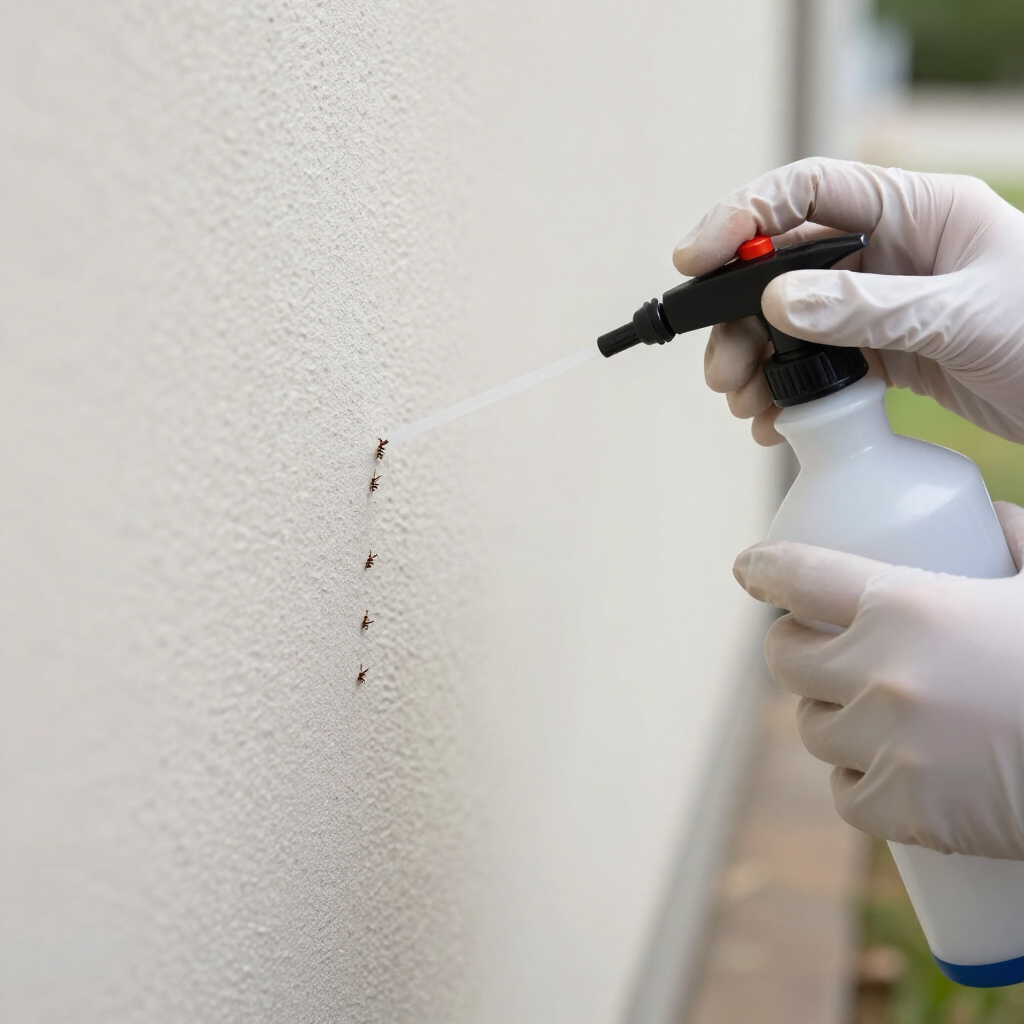
Finally, resist the temptation to use over-the-counter sprays indiscriminately indoors. These often kill visible ants without addressing the colony, and they can actually worsen problems by causing colonies to bud—splitting into multiple new nests. Bait products, when used correctly, are generally more effective because worker ants carry the toxicant back to the colony, but even these require proper placement and patience to work.
Final Thoughts
Preventing ants from invading your home comes down to making consistent, thoughtful choices about cleanliness, maintenance, and landscape management. No single action provides complete protection, but layering multiple strategies creates a formidable defense that most ant colonies will abandon in favor of easier targets. Start with the fundamentals—seal entry points, eliminate food and water sources, and maintain your property's perimeter. Build from there with attentive habits and prompt response to any early signs of ant activity.
The effort you invest in prevention pays dividends beyond ant control. Many of these same practices protect against cockroaches, rodents, and other common household pests. More importantly, they contribute to a healthier, more comfortable living environment for you and your family. With patience and persistence, you can reclaim your home from these tiny invaders and keep it that way for the long term.