
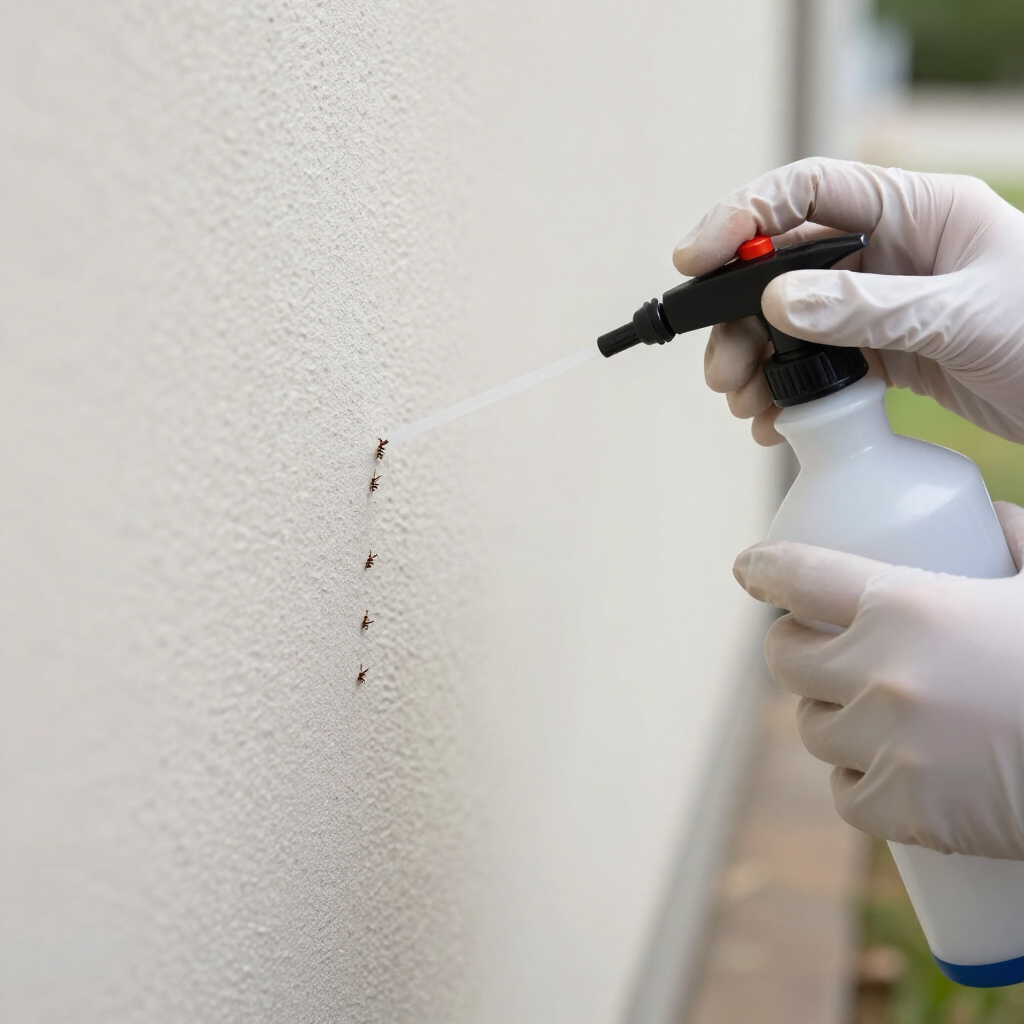

Spiders are skilled survivalists, but that doesn't mean you have to share your living space with them. Whether you're dealing with the occasional cellar spider or noticing more eight-legged visitors than you'd like, understanding how to keep spiders out of your house starts with knowing what attracts them in the first place. The good news? Most spider-proofing strategies are simple, affordable, and don't require harsh chemicals. Here's your practical guide to reclaiming your home.
How to Keep Spiders Out of Your House by Removing What Attracts Them
Spiders don't enter homes for the decor—they come for food, water, and shelter. Their primary food source is other insects, so an abundance of flies, moths, ants, or gnats practically rolls out the welcome mat. Start by addressing the root of the problem: reduce the insect population indoors.
Keep kitchen counters clean and free of crumbs. Store dry goods in airtight containers. Take out garbage regularly and use bins with tight-fitting lids. Fix leaky faucets and eliminate standing water, which attracts both insects and the spiders that hunt them. Pay special attention to basements, garages, and utility rooms where moisture tends to accumulate.
Outdoor lighting also plays a surprising role. Standard white bulbs attract flying insects at night, which in turn draw hunting spiders. Switch to yellow or warm LED bulbs for porch and entryway lighting, or simply reduce how long lights stay on. Motion-sensor fixtures are an excellent compromise—they provide security without creating a perpetual bug buffet.
Clutter creates prime spider real estate. Cardboard boxes, piles of newspapers, stored clothing, and untouched storage items offer dark, undisturbed hiding spots. Replace cardboard with plastic bins that seal tightly. Declutter storage areas seasonally, and avoid letting items accumulate against walls or in corners where spiders can establish undisturbed territory.
Seal Entry Points Before Spiders Find Them
A spider can squeeze through remarkably small gaps—some species through openings no wider than a credit card's edge. Thoroughly inspecting and sealing your home's exterior creates the physical barrier that makes all other efforts more effective.
Begin with doors and windows. Install or replace weatherstripping around door frames and add door sweeps to exterior doors. Check window screens for tears or loose frames, and repair or replace as needed. Caulk gaps around window frames, especially in older homes where settling has created separations.
Move to utility penetrations. Where pipes, cables, and vents enter your home, gaps often exist that go unnoticed for years. Seal these with appropriate materials—caulk for smaller gaps, steel wool combined with caulk for larger openings (rodents hate it too), and expanding foam for substantial voids. Don't forget dryer vents, attic vents, and chimney openings; cover these with fine mesh screens that allow airflow while blocking spider entry.
Foundation cracks deserve special attention. Walk your home's perimeter and examine where the foundation meets siding, where concrete steps abut the house, and where porches or decks attach. Even hairline cracks can serve as highways for spiders seeking winter shelter or cool summer refuge.
Landscaping choices matter more than most homeowners realize. Wood mulch, thick groundcover, and dense shrubbery placed directly against exterior walls create ideal spider habitat with easy indoor access. Maintain an 18-inch vegetation-free zone around your foundation where possible. Use stone or rubber mulch alternatives near the house, and trim tree branches that overhang or touch the roof, which spiders use as bridges to upper entry points.
Key Tips for Ongoing Spider Prevention
Consistency transforms occasional efforts into lasting protection. Establish these habits to maintain a spider-resistant home year-round.
Vacuum strategically and regularly. Use attachments to reach ceiling corners, behind furniture, along baseboards, and in window tracks where spiders build webs and deposit egg sacs. Immediately dispose of vacuum contents outdoors in sealed bags—spiders can survive and escape from canisters.
Manage humidity levels. Spiders favor environments with 50% relative humidity or higher. Run dehumidifiers in basements and crawl spaces, ensure bathrooms have exhaust fans, and improve ventilation in attics. Not only does this deter spiders directly, but it also reduces the moisture-loving insects they prey upon.
Use natural deterrents thoughtfully. While no scent provides guaranteed protection, certain essential oils show modest repellent properties. Peppermint, tea tree, eucalyptus, and lavender oils diluted in water can be sprayed along baseboards and entry points. Reapplication every few days is necessary as scents dissipate. Diatomaceous earth sprinkled in dry, undisturbed areas can also help control the insect populations that sustain spiders.
Inspect seasonal items before bringing them indoors. Firewood, camping equipment, patio cushions, and holiday decorations stored in garages or sheds often harbor spiders. Shake out and examine these items, and consider storing decorations in sealed containers rather than cardboard.
Address outdoor structures. Sheds, garages, and workshops frequently become spider reservoirs that eventually spill into the main house. Apply the same decluttering, sealing, and moisture management principles to these spaces. Install proper door sweeps and consider keeping garage doors closed when not in active use.
Final Thoughts
Learning how to keep spiders out of your house successfully requires approaching the problem from multiple angles simultaneously. No single tactic provides complete protection, but combining food source reduction, physical exclusion, environmental management, and consistent maintenance creates conditions where spiders simply have little reason to enter and even less incentive to stay.
Remember that spiders do provide genuine ecological benefits—they control insect populations without chemicals and pose minimal risk to humans in most cases. The goal isn't necessarily eradication from your property, but rather establishing boundaries that keep your living spaces comfortable for the species that matters most: your own family.
If spider activity persists despite thorough prevention efforts, or if you're encountering potentially dangerous species such as black widows or brown recluses, professional pest control assessment may be warranted. Experienced technicians can identify hidden entry points, nesting sites, and underlying conditions that DIY efforts might miss, providing targeted solutions for lasting peace of mind.