
There's nothing quite like flipping on the kitchen light at 2 a.m. and watching cockroaches scatter across your countertops. That sinking feeling in your stomach is universal—and if you're dealing with an infestation, you want them gone yesterday. The good news? With the right approach, you can get rid of cockroaches fast and reclaim your home. This guide walks you through proven methods that actually work, from immediate damage control to long-term prevention strategies that keep these resilient pests from coming back.
How to Get Rid of Cockroaches Fast: Start With a Strategic Plan
The biggest mistake homeowners make is reaching for a single spray can and hoping for the best. Cockroaches are survival specialists that have thrived for millions of years, so eliminating them requires a multi-pronged attack. Speed matters, but so does thoroughness.
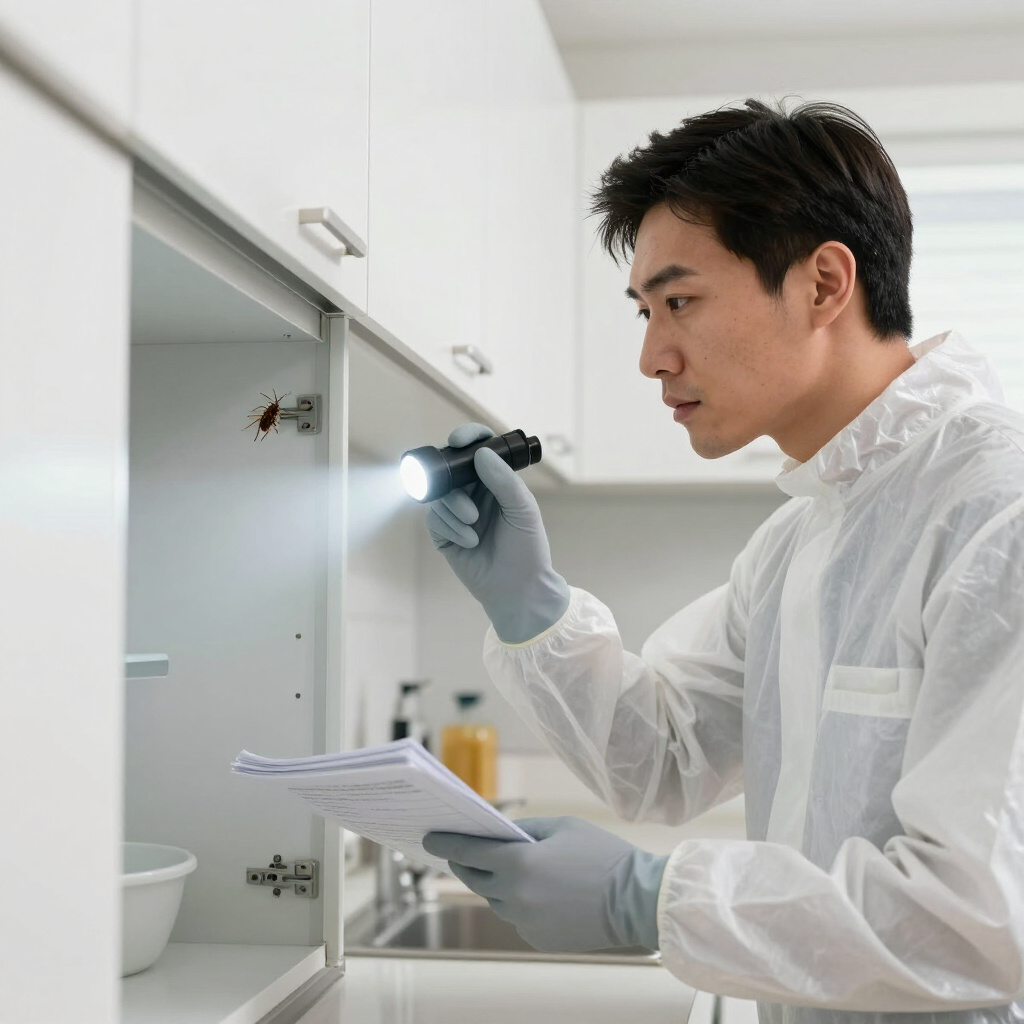
Begin by identifying where they're living. Cockroaches prefer warm, humid areas near food and water sources. Check under sinks, behind refrigerators, inside cabinets, around dishwasher seals, and in basement corners. Look for droppings (small black specks resembling coffee grounds), egg cases (brown, capsule-shaped oothecae), and shed skins. German cockroaches, the most common indoor species, often cluster in kitchens and bathrooms, while American cockroaches favor basements and crawl spaces.
Once you've mapped their activity zones, deploy a combination of treatments simultaneously rather than sequentially. This prevents survivors from reproducing and rebuilding their population while you wait to see if method A worked.
Eliminate Food, Water, and Shelter Immediately
Cockroaches can survive weeks without food but only days without water. Cutting off their resources is one of the fastest ways to stress an infestation and make other treatments more effective.
Start in the kitchen. Store all dry goods—flour, cereal, pet food, even spices—in airtight glass or thick plastic containers with tight-fitting lids. Cockroaches can chew through cardboard and thin plastic bags, so don't trust original packaging. Clean crumbs from toaster trays, wipe down sticky bottles and jars, and never leave dirty dishes overnight. Sweep and mop floors daily during active infestations, paying special attention to gaps between appliances and cabinets.
Fix leaky faucets, dripping pipes, and condensation issues under sinks. Dry out sinks and tubs before bed. Even a thin film of water in a sink trap sustains cockroaches. Reduce humidity with dehumidifiers in damp basements and ensure bathrooms have adequate ventilation.
Declutter ruthlessly. Cardboard boxes, stacks of newspapers, and paper bags provide ideal harborage. Replace cardboard storage with plastic bins. Seal cracks around baseboards, utility penetrations, and cabinet voids with caulk. The fewer hiding spots available, the more exposed cockroaches become to your treatments.
Deploy Fast-Acting and Long-Term Treatments Together
For rapid knockdown, use targeted insecticide applications in conjunction with slower-acting baits that eliminate the colony.
Gel baits containing fipronil, hydramethylnon, or indoxacarb are among the most effective tools. Apply tiny pea-sized dabs in cracks, crevices, and along edges where you've seen activity—not in open areas where they'll dry out or be cleaned away. Cockroaches consume the bait, return to their harborage, and die. Other cockroaches then feed on the poisoned carcasses and feces, spreading the insecticide through the population. This domino effect can collapse an infestation within one to two weeks.
Complement baits with insect growth regulators (IGRs) like hydroprene or methoprene. These synthetic hormones prevent nymphs from maturing into reproducing adults and stop eggs from hatching. IGRs won't kill existing adults quickly, but they break the reproductive cycle, which is essential for lasting control.
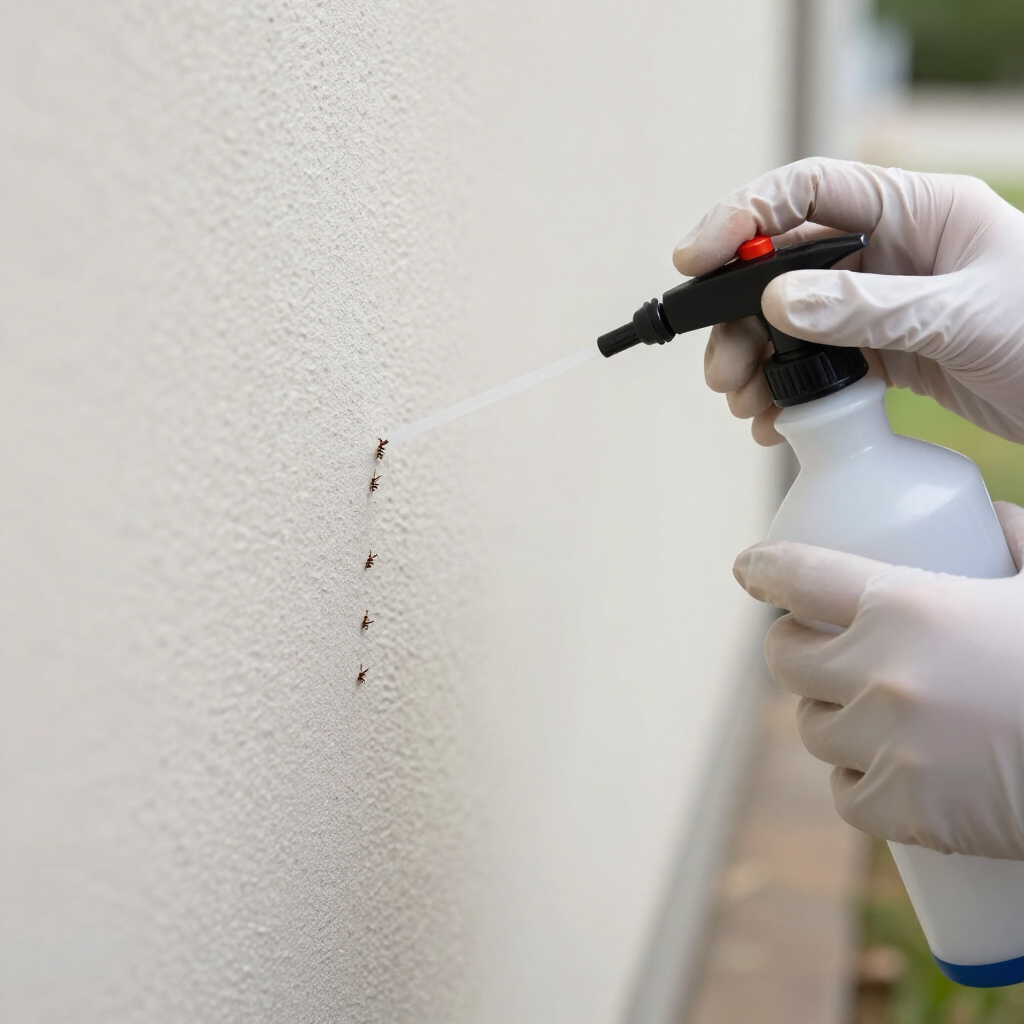
For immediate reduction in visible numbers, use targeted sprays or dusts in voids where baits aren't practical. Boric acid dust, applied thinly in wall voids and under appliances, clings to cockroach bodies and acts as a stomach poison when groomed off. Diatomaceous earth works similarly by abrading the waxy cuticle and causing dehydration, though it's slower than boric acid. Apply dusts sparingly—thick piles repel cockroaches rather than attract them.
Sticky traps placed along walls and in corners monitor activity and capture stragglers. They're not a standalone solution but help gauge whether your treatment is working and identify remaining hotspots.
Key Tips for Accelerating Your Results
Even with the right products, technique determines how quickly you'll see success. First, resist the urge to spray general insecticides over bait placements. Repellent sprays drive cockroaches away from baited areas and can actually spread the infestation into new rooms. If you must use a spray, apply non-repellent formulations or keep treatments separated by several feet.
Rotate active ingredients if you don't achieve full control within three weeks. Cockroaches can develop resistance to commonly used insecticides, particularly in urban areas with heavy treatment history. Switching from one bait chemistry to another prevents this adaptation.
Don't undertreat. Many homeowners use too few bait placements—often just a dozen dots for an entire kitchen. A typical kitchen requires twenty to thirty properly placed gel bait spots. More placements mean more opportunities for cockroaches to encounter the treatment.
Extend your efforts beyond the obvious rooms. Cockroaches travel through wall voids and along pipe chases, so treat adjoining rooms even if you haven't seen activity there. A bathroom on the other side of the kitchen wall likely shares the same population.
Finally, if you're renting, notify your landlord immediately. Building-wide infestations require coordinated treatment across multiple units. Individual apartment treatments often fail when cockroaches simply retreat to neighboring units and return later.
When to Call a Professional Exterminator
DIY methods handle most moderate infestations, but certain situations warrant professional intervention. If you're seeing cockroaches during daylight hours in large numbers, the infestation has likely grown severe. Heavy infestations in multi-unit buildings, recurring problems despite thorough treatment, or health concerns for immunocompromised family members all justify calling an experienced pest control operator.
Professionals have access to more potent formulations, specialized application equipment for wall voids and other inaccessible areas, and the expertise to identify contributing structural issues. They can also implement integrated pest management plans that combine chemical and non-chemical tactics for sustained results.
Final Thoughts
Learning how to get rid of cockroaches fast means combining immediate action with strategic patience. Eliminate their food and water, apply baits and IGRs precisely, monitor with traps, and maintain vigilant sanitation. Most homeowners see dramatic improvement within two weeks and complete control within a month when treatments are applied correctly. The key is persistence—cockroaches didn't invade overnight, and while you can accelerate their departure significantly, thoroughness ultimately wins this battle. Stay consistent, adapt your approach if needed, and you'll soon enjoy a home where midnight kitchen visits reveal nothing but clean countertops and peaceful silence.